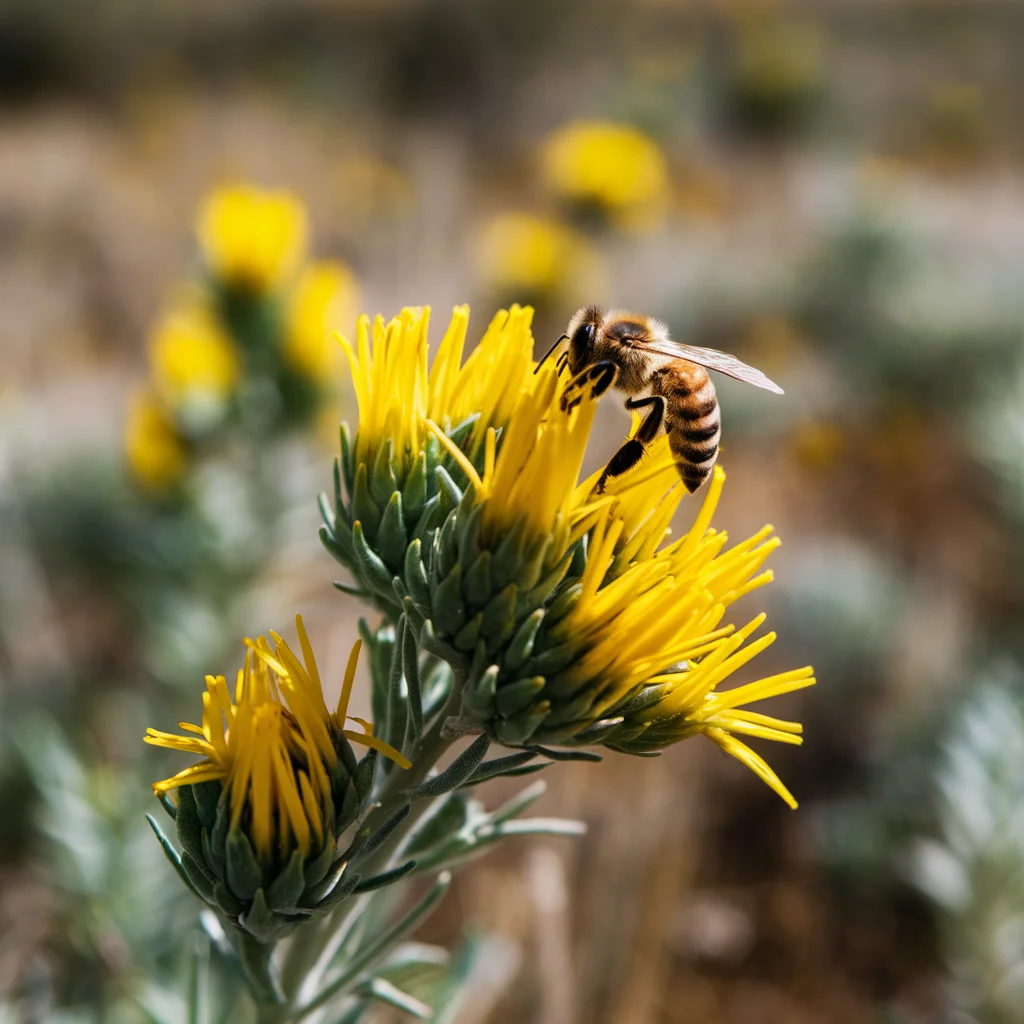
Late April – June
Arrowleaf Balsamroot
Big yellow composites on open sagebrush slopes — one of the first reliable pollen sources after winter. A strong balsamroot bloom usually means colonies are ready to build up fast.
Bees don't care about your plan. They care about what's blooming. Here's what keeps a Twin Falls apiary fed from spring through fall — with notes on what the bloom signals mean for your hive work.
Late April – June
Big yellow composites on open sagebrush slopes — one of the first reliable pollen sources after winter. A strong balsamroot bloom usually means colonies are ready to build up fast.
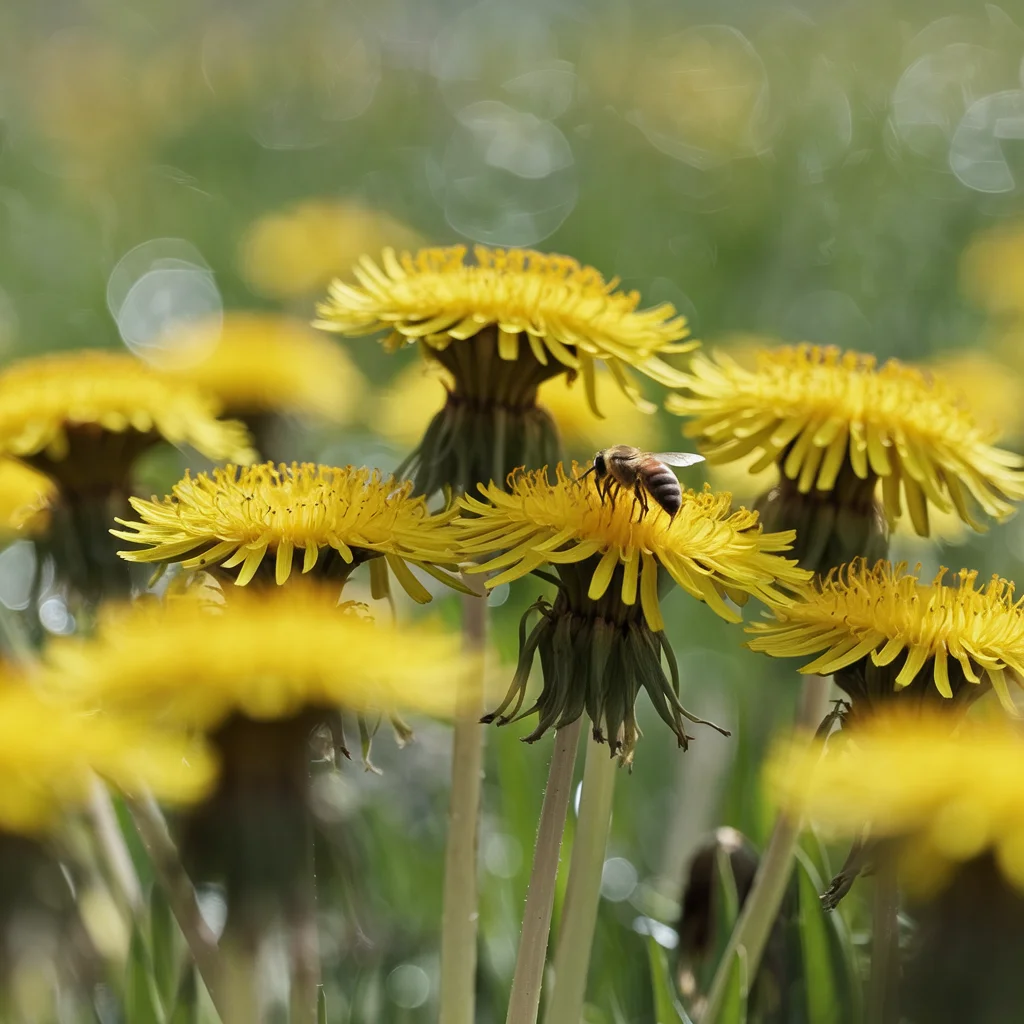
May – June
Don't spray them. Dandelion is often the first continuous nectar flow of the year and it's what gets bees through the spring brood explosion.
May – June
Backyard orchards and Magic Valley fruit operations provide a short but intense bloom. Good for spring build-up. Watch for ag spraying — time inspections around it.
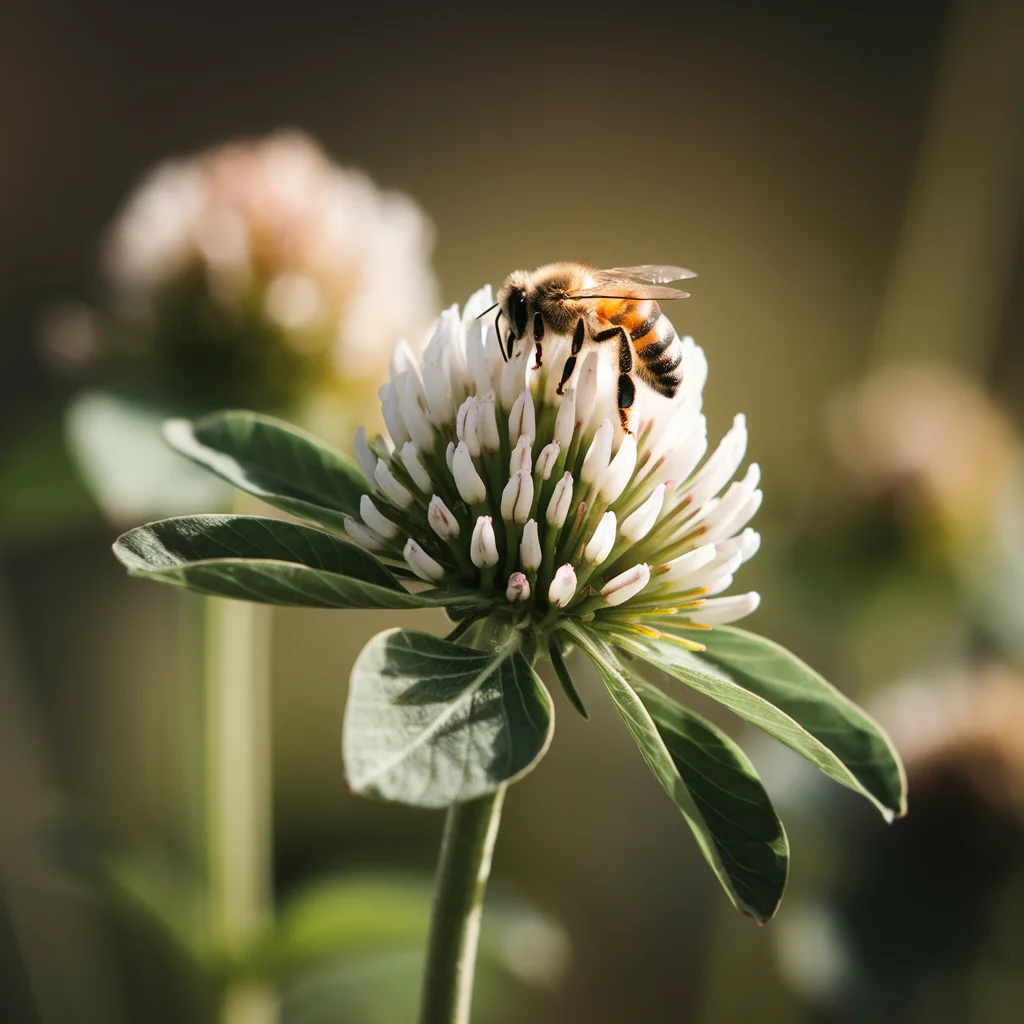
June – July
Roadside clover is the workhorse of Idaho summer honey. Two-year plant; the big flows come on second-year growth. Excellent honey and plentiful across the valley.
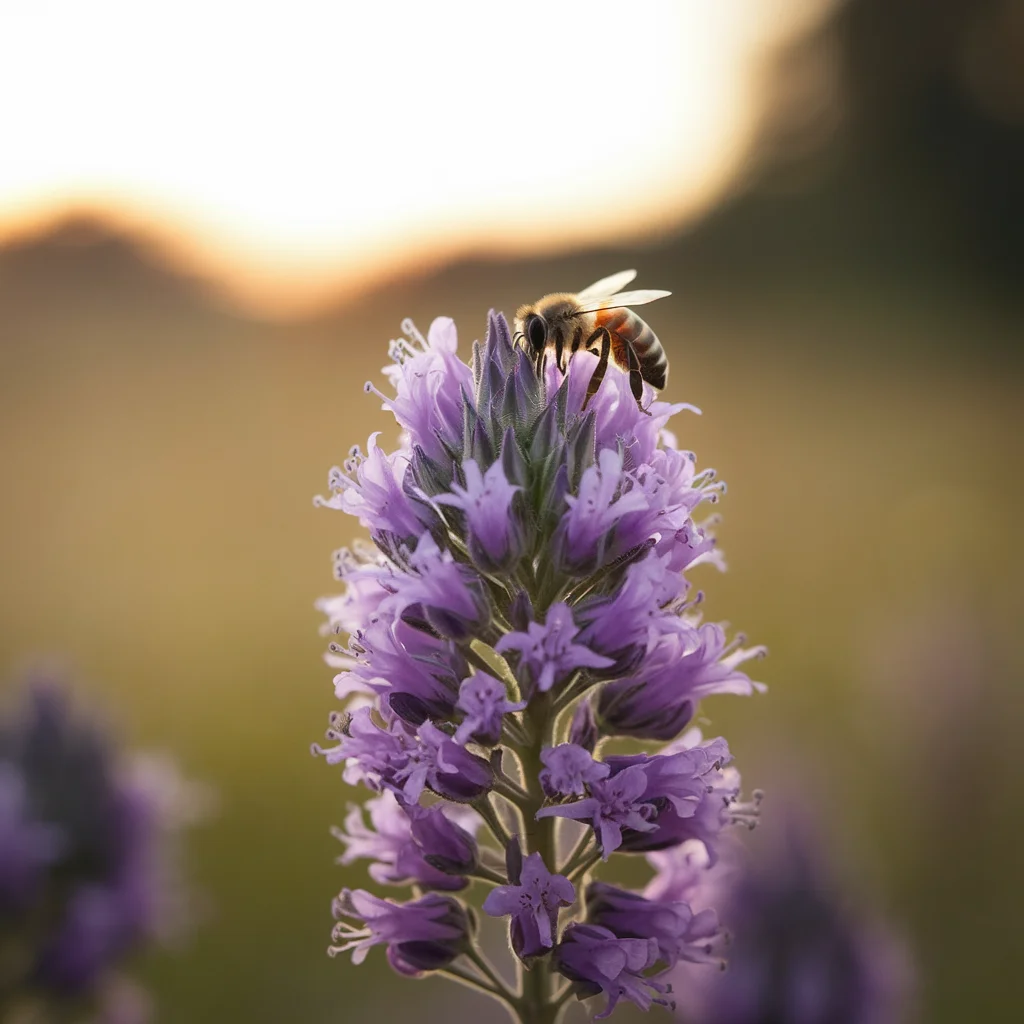
June – August
Hayfields that get to full bloom are gold. Cut-hay alfalfa fields won't bloom out, so location matters. Alfalfa honey is light, clean, classic Idaho.
June – July
Common in lawns, pastures, and irrigated fields. Short bloom but bees pile onto it whenever it shows up. A reliable nectar source through early summer.
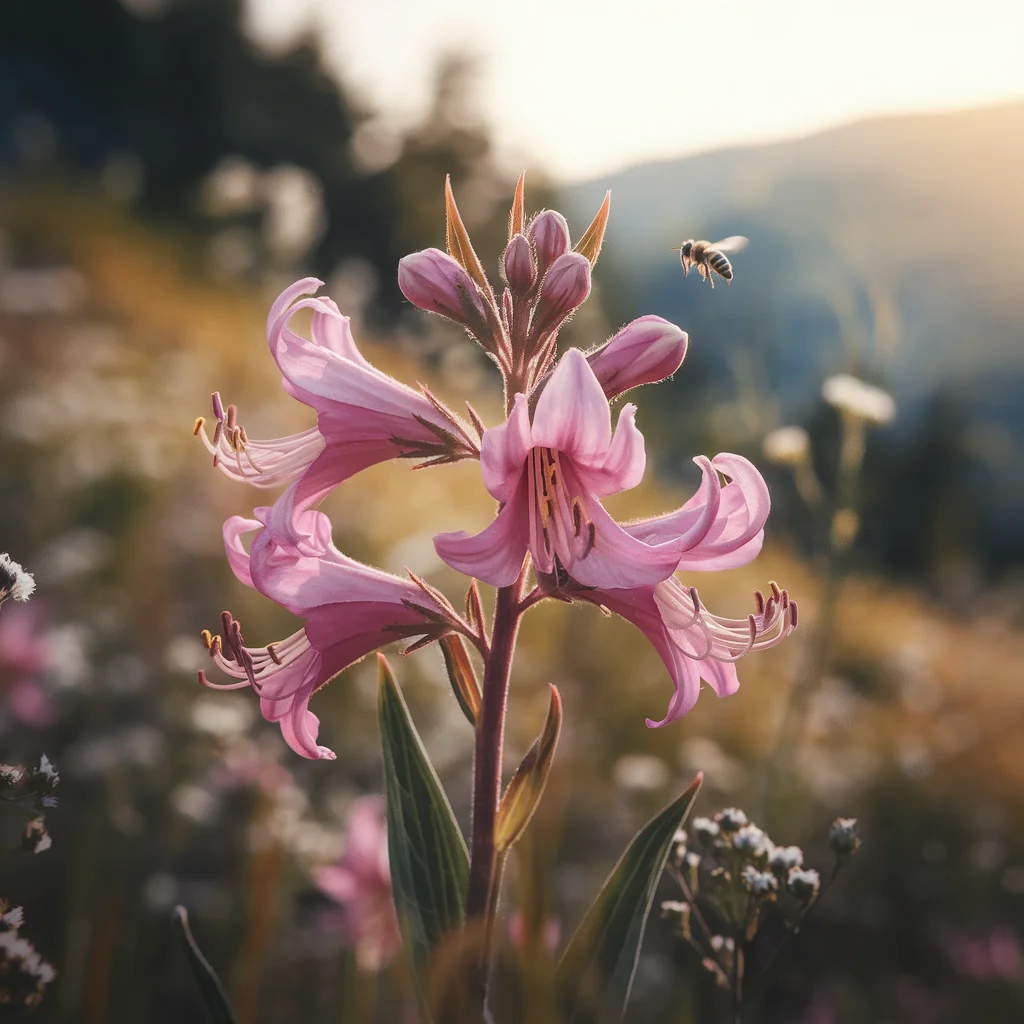
July – August
Canyon and mountain slopes, roadsides, and burn recovery areas. Pink spires. Fireweed honey is prized — light, almost floral. If you're near foothills, watch for the bloom.
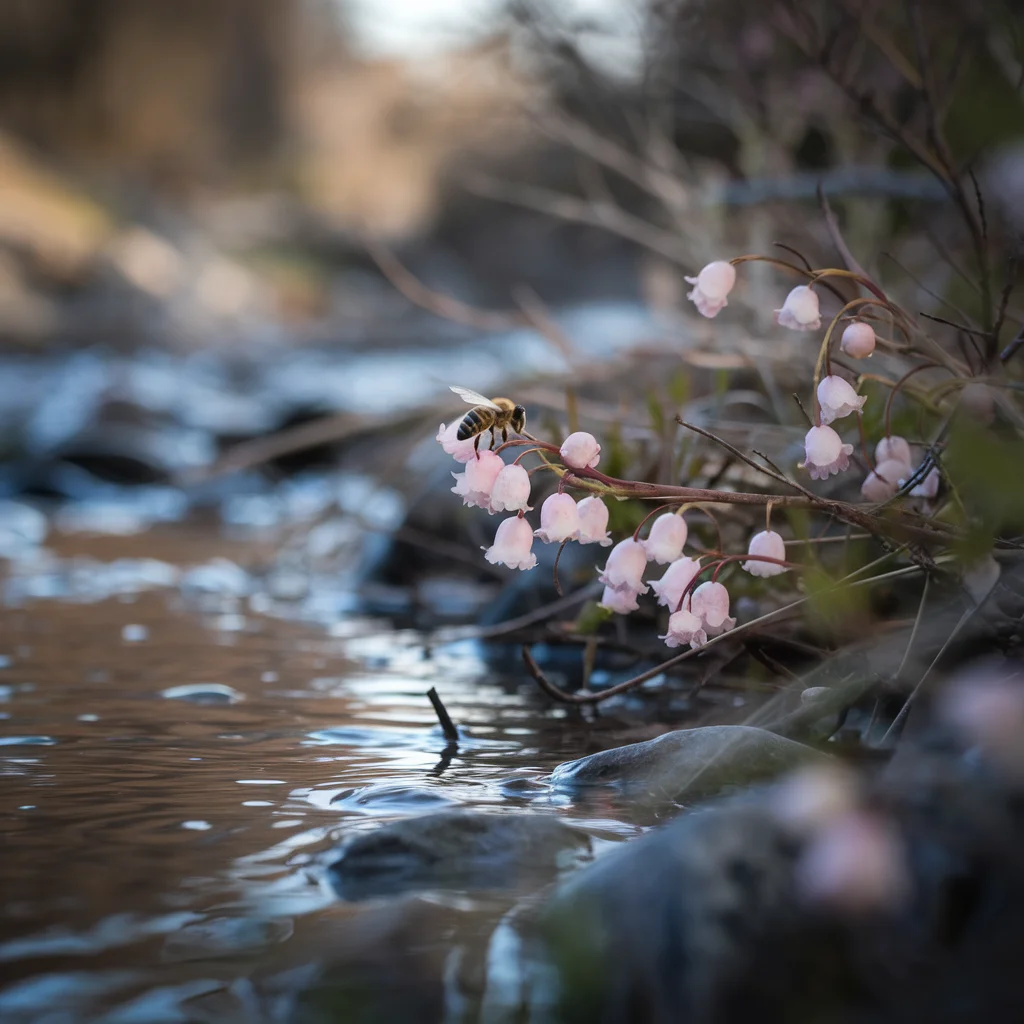
June – August
Native shrub along creeks and moist slopes. Small pinkish bell flowers that bees love. Not a heavy honey producer, but keeps bees fed during transition weeks.
July – September
Invasive but honey-productive. Bees work it hard in late summer. Controversial plant; I take the nectar where my bees find it and support local weed-management efforts separately.
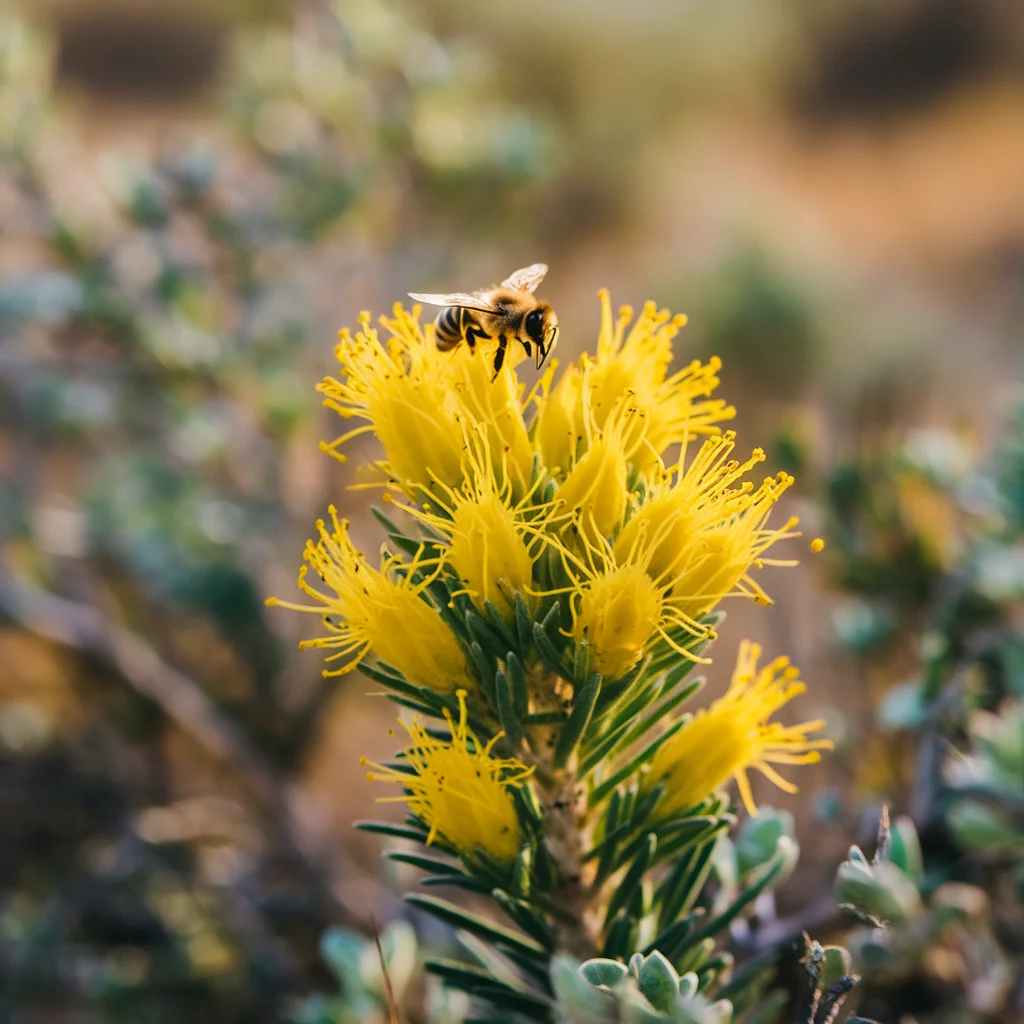
August – September
Late-blooming sagebrush country shrub. Pungent yellow blooms that can save a hive in a dry year — sometimes the only nectar flow between alfalfa cutting and first frost.
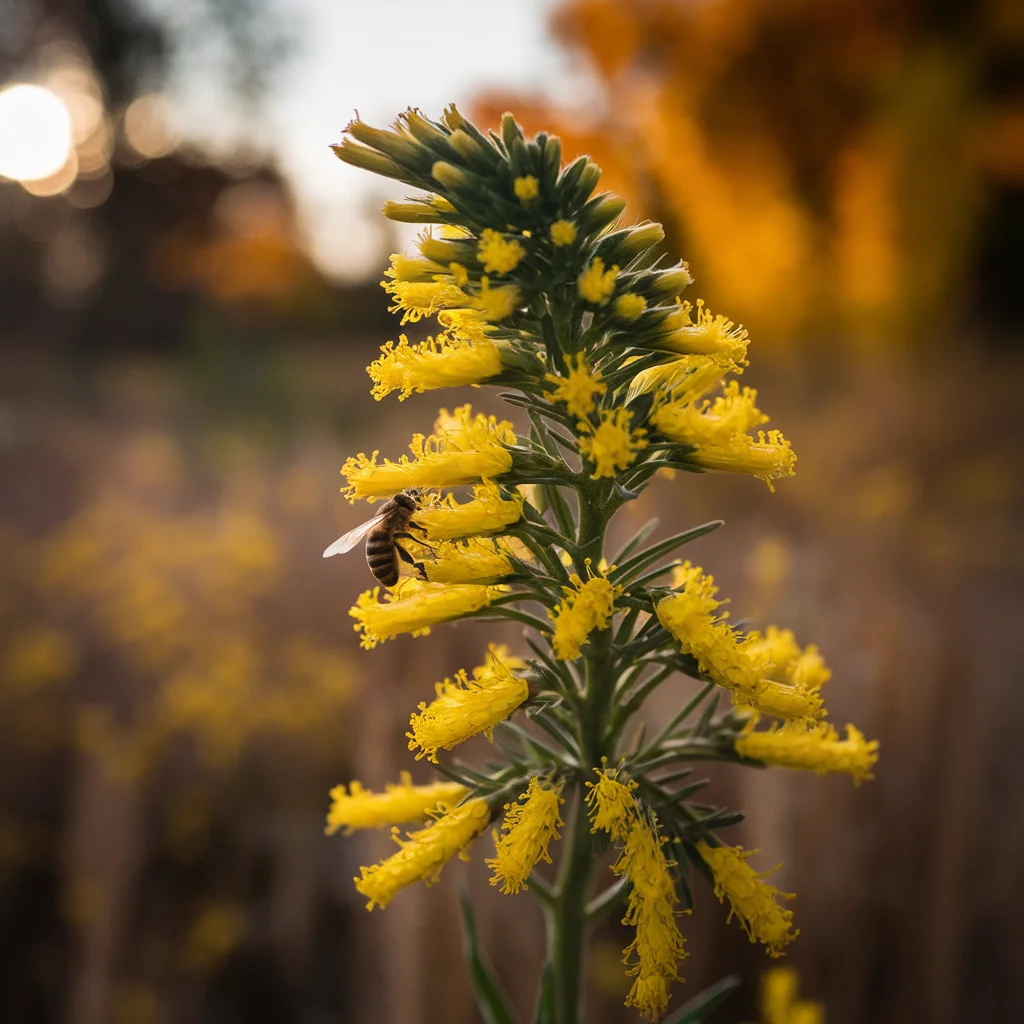
August – October
Fall forage on roadsides and field edges. Strong smell in the hive during flow. Builds winter stores, but watch for crystallization if you're pulling fall honey.
September – Frost
Asters & Late Composites
Last push before the cold. What your bees find here is what they'll carry into winter, so leave stores generous and don't harvest too aggressively in fall.
If you're building out a yard for bees, plant in clumps (single plants get overlooked), stagger blooms for continuous forage, avoid pesticides, and skip cultivars bred for double flowers — they often have no nectar or pollen reward. See the Pollinator Conservation page for more.